
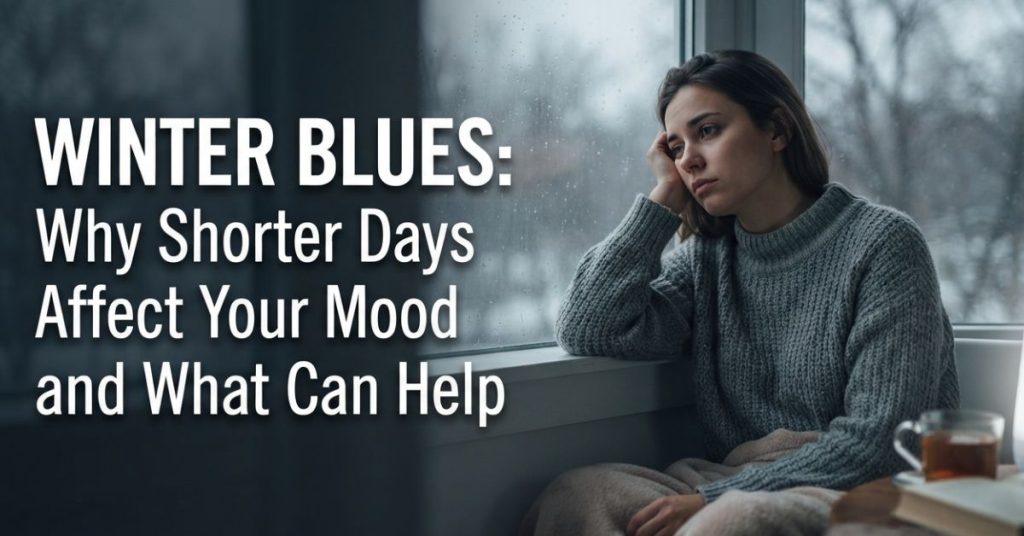
Winter can change the rhythm of an ordinary day before you really notice it. Mornings stay dark longer, evenings arrive earlier, and there may be fewer chances to spend time outside. For some people, these changes come with lower energy, less motivation, or a noticeable shift in mood.
These feelings are often described as the winter blues. They can be mild and temporary, but they can still make the colder months feel harder. Understanding why shorter days may affect you can make it easier to notice changes in your routine and decide what might help.
Joan M. Franklin, Ph.D. works with adults who are experiencing emotional and mental health concerns that may affect daily life. Learning more about seasonal mood changes can help you recognize what you are experiencing and consider when additional support may be useful.
Your Body Notices the Change in Daylight

Your body uses light and darkness as signals throughout the day. One system involved in this process is your circadian rhythm, often described as your internal clock. It helps regulate when you feel awake, when you become sleepy, and several other daily processes.
During winter, shorter days can mean less exposure to natural light, especially for people who spend most of the day indoors. Changes in daylight may affect sleep and alertness and may play a role in seasonal changes in mood. This is one reason the winter blues can feel connected to both your emotions and your energy level.
What Serotonin and Melatonin Have to Do With It
Researchers continue to study exactly why seasonal mood changes happen. Two chemicals that are often discussed are serotonin and melatonin.
Serotonin is involved in mood regulation, while melatonin helps regulate sleep and the body’s response to darkness. Seasonal changes in light may influence these systems in some people. That does not mean every tired or low day during winter has one simple biological cause. Sleep habits, activity levels, stress, and changes in routine can matter too.
Winter Blues Can Show Up in More Than Your Mood
A seasonal change does not always look like feeling sad all day. You might notice that getting out of bed takes more effort or that activities you normally enjoy seem less appealing. Concentrating at work may become harder, or you may start turning down plans because staying home feels easier.
Other possible changes include sleeping more, feeling irritable, having less energy, or noticing changes in appetite. Some people also become less socially active as the weather gets colder.
Experiencing some of these changes does not automatically mean you have depression. The winter blues are generally used to describe milder seasonal changes rather than a specific mental health diagnosis.
When Does It Become More Than the Winter Blues?
Feeling a little slower or less energetic during winter does not always mean something more serious is going on. Some changes may be mild and pass without significantly affecting your normal routine. The concern becomes greater when symptoms continue and start interfering with work, relationships, responsibilities, or everyday activities.
The term seasonal depression is commonly used when talking about depression associated with a particular time of year. Seasonal affective disorder is a form of depression characterized by a recurring seasonal pattern. Winter-pattern symptoms may include persistent low mood, loss of interest, low energy, sleep changes, difficulty concentrating, and other symptoms of depression.
Pay attention to how long the change lasts and how much it affects you. If the winter blues begin interfering with work, relationships, responsibilities, or your ability to enjoy everyday life, it may be worth discussing what you are experiencing with a mental health professional.
Look at What Changes in Your Routine Once Winter Arrives
Think about how your average weekday looks in winter compared with the warmer months. You may head straight home after work instead of going for a walk, spend more of the weekend indoors, or turn down evening plans because going back out feels like too much effort. Even your usual bedtime and morning routine may start to shift when it gets dark much earlier.
These changes can happen gradually, which makes them easy to overlook. A little less movement, fewer social plans, and limited time outdoors may not seem important on their own. When several of them happen at the same time, however, your days can begin to feel noticeably different. You may have fewer opportunities to be active, connect with other people, or take part in activities that normally give your week some variety and structure.
It can help to look at your routine as a whole rather than focusing only on how you feel on a difficult day. Notice whether you have stopped doing things you usually enjoy or whether everyday tasks now require more effort than they did before. If these changes continue and begin affecting your mood or daily life, speaking with a psychologist in Rockwall can give you space to talk through what you have been noticing and consider what kind of support may be useful.
Start With the Daylight You Still Have
When thinking about how to beat the winter blues, it can be helpful to begin with changes that realistically fit into your day. Getting outside during daylight hours is one option. That might mean taking a short walk in the morning, stepping outside during lunch, or spending some time outdoors on days when your schedule allows it.
You can also make better use of natural light indoors by opening curtains or working near a window when practical. These changes do not need to completely reorganize your day. A small habit that you can maintain is usually more useful than an ambitious routine that lasts only a few days.
Keep Winter From Shrinking Your Routine
Winter can make staying home feel like the easier option. You might skip a walk because it is already dark, put off plans for another weekend, or simply feel less interested in doing much after a long day. Before you realize it, some of the things that normally break up your week have started to disappear.
When thinking about how to beat the winter blues, try to hold on to a few parts of your usual routine. Keep your sleep schedule fairly consistent, make time for some movement, and continue doing things you normally look forward to. It does not have to mean a packed calendar or a strict routine.
Even small plans can help. Meeting a friend for coffee, taking a walk during the day, or setting aside time for a hobby gives you something different from another evening at home. Choose what feels manageable and works with your normal life.
Light Therapy Is Different From Simply Turning On More Lights
Bright light therapy is one treatment used for winter-pattern seasonal affective disorder. It involves exposure to a specialized light box designed to provide bright light. It is not the same as switching on additional lamps around the house.
Light therapy may not be appropriate in exactly the same way for everyone. Certain medications, eye conditions, and mental health conditions may affect whether or how it should be used. If you are considering a light box as treatment for significant seasonal symptoms, discussing it with a qualified healthcare professional can help you understand whether it is suitable for you.
Pay Attention When the Same Pattern Returns Every Year
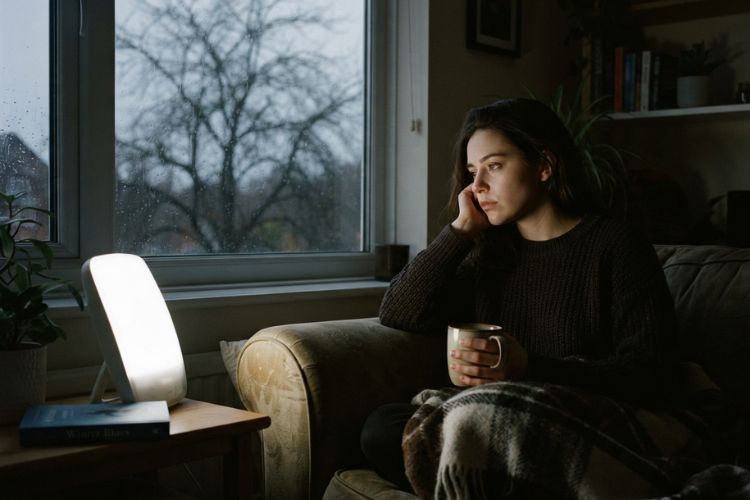
One difficult winter does not always reveal a clear pattern. Looking back over several seasons may tell you more.
Think about when changes in mood or energy tend to begin and when they improve. You might also notice whether your sleep, appetite, concentration, motivation, or interest in social activities changes around the same time each year. Keeping brief notes can make these patterns easier to remember and discuss.
Recurring seasonal depression symptoms deserve attention, particularly when they affect your ability to function normally. If getting to an office is difficult or does not fit your circumstances, telehealth therapy may provide another way to access professional support when clinically appropriate and available.
Conclusion
Shorter days can affect more than how much daylight you see. Your sleep, activity level, social plans, and daily routine may all shift as winter settles in. For some people, these changes can contribute to the winter blues and make certain parts of the season feel more difficult.
Pay attention to what changes for you and whether those changes begin to interfere with everyday life. Small adjustments to your routine may help, but you do not have to rely on them alone if you continue to struggle. Professional support can help you better understand what you are experiencing and find ways to manage it.
FAQs
Can you have winter blues without having depression?
Yes. Winter blues can leave you feeling more tired, less motivated, or a little down without necessarily meaning you have depression. What matters is how long those changes last and how much they affect your everyday life.
Why do I feel more tired when the days get shorter?
Your body responds to changes in light, so shorter days may affect your sleep-wake cycle and how alert you feel. You may also be spending less time outside or moving less than you normally would, which can add to that sluggish winter feeling.
How long can seasonal mood changes last?
It varies from person to person. You may notice a change for a short period, while someone else may struggle for much of the season. If the same changes keep returning or do not seem to ease, it is worth paying closer attention to the pattern.
When is it worth talking to a psychologist?
You do not have to wait until things feel overwhelming. If changes in your mood, sleep, energy, or motivation make work, relationships, or everyday responsibilities harder, a psychologist can help you understand what may be going on and what support could help.