
Finding the right mental health professional can be confusing when several titles appear during your search. You may know that you want support, but deciding who to contact first is not always as clear.
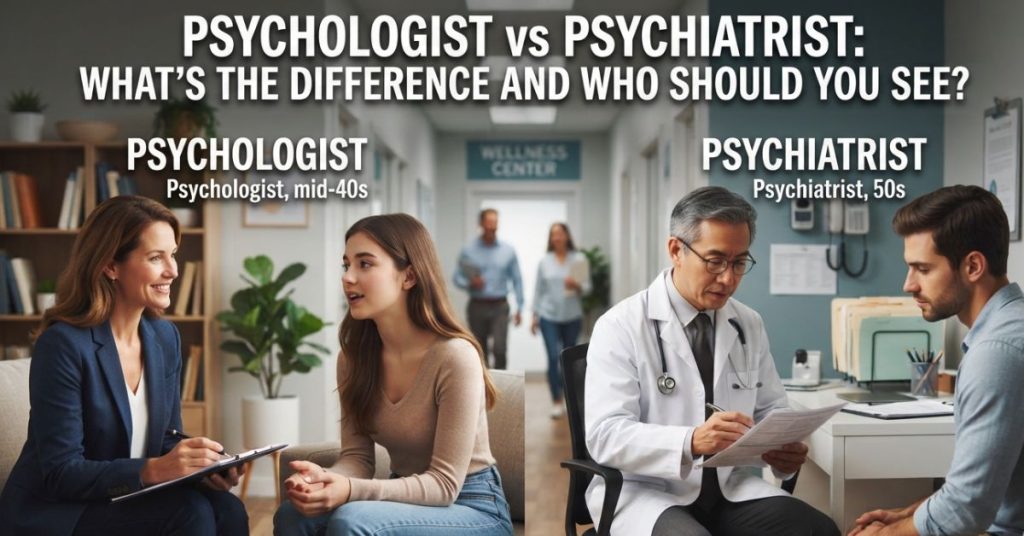
The psychologist vs. psychiatrist question becomes easier once you understand how each professional is trained and the type of care they provide. Both work with mental health concerns, but they may approach assessment and treatment differently.
Their Training Leads Them Down Different Professional Paths

Psychologists and psychiatrists take different educational paths before they begin practicing. A psychologist commonly earns a doctoral degree, such as a PhD or PsyD, with training in human behavior, psychological assessment, research, diagnosis, and psychotherapy.
Psychiatrists attend medical school and earn an MD or DO. They then complete specialized training in psychiatry. Their medical background allows them to consider mental health symptoms alongside physical health, medications, and other medical factors.
This training is an important difference between a psychologist and a psychiatrist because it shapes what each professional can offer. Their work may overlap in some areas, but their roles are not interchangeable.
What Does a Psychologist Do During Treatment?
People sometimes assume therapy is simply a conversation about problems. In practice, it can be much more involved. When asking what a psychologist does, it helps to look at how psychologists assess concerns and work with patients over time.
A psychologist may provide psychotherapy, evaluate mental health concerns, identify patterns in thoughts or behavior, and conduct psychological testing when appropriate. Treatment may address anxiety, depression, trauma, grief, stress, relationship difficulties, or challenging life changes.
If you are looking for a psychologist in Rockwall, consider the provider’s experience and whether their approach fits the concerns you want to address. Feeling comfortable discussing difficult topics can also matter as therapy continues.
Psychiatry Brings Medical Care Into Mental Health Treatment
Psychiatrists approach mental health with medical training behind their work. An appointment may include questions about symptoms, medical history, current medications, previous treatment, and changes in mood, thinking, or behavior.
One major point in the psychologist vs psychiatrist comparison is that psychiatrists can prescribe medication. They may diagnose mental health conditions, recommend medication, monitor how it is working, and make adjustments when needed.
Some psychiatrists also provide psychotherapy, although the services offered vary by practice. Joan M. Franklin, Ph.D. provides psychotherapy and may collaborate with medical providers when appropriate as part of a patient’s overall care. This type of coordination can be useful when both psychological support and medical treatment need to be considered.
Medication Matters, but It Is Not the Only Difference
It is easy to reduce the difference between psychologist and psychiatrist to one sentence: psychiatrists prescribe medication and psychologists provide therapy. That explanation leaves out quite a bit.
Psychologists receive extensive training in psychological assessment, behavior, and psychotherapy. Psychiatrists receive medical training that allows them to evaluate mental health from a physician’s perspective. Psychologists generally do not prescribe medication, though limited exceptions exist in some U.S. jurisdictions for psychologists with additional training.
So, the psychologist vs psychiatrist decision should not depend on medication alone. Your symptoms, treatment goals, need for assessment, and type of support you are seeking can all influence where you start.
Where Does a Therapist Fit Into Mental Health Care?
The word “therapist” can make the choice even more confusing because it does not refer to one single profession. Psychologists, counselors, clinical social workers, and other qualified professionals may provide therapy depending on their education and license.
When comparing psychologist vs. therapist, look beyond the title. A psychologist has specific graduate or doctoral education and supervised professional training in psychology. Other therapists may come from different educational and licensing backgrounds.
That does not mean one title is automatically better for every person. The important part is understanding the provider’s credentials, experience, services, and whether those match what you are looking for.
When Starting With a Psychologist May Make Sense
Not every reason for seeking psychological care begins with a diagnosis. Some people reach out because anxiety has become difficult to manage. Others may be dealing with grief, relationship concerns, trauma, stress, or patterns they want to understand better.
A psychologist may be a place to start when you are interested in psychotherapy, psychological assessment, or working through emotional and behavioral concerns. Therapy can provide time to explore what has been happening and identify areas you would like to change.
When considering a psychologist vs. a psychiatrist, think about the type of help you are currently looking for rather than trying to diagnose yourself first.
When a Psychiatric Evaluation May Be Worth Considering
Certain situations may call for medical evaluation as part of mental health care. Symptoms may be severe, medication may need to be considered, or a person may already take psychiatric medication that needs to be reviewed.
Major changes in mood, thinking, perception, behavior, or daily functioning may also lead a healthcare professional to recommend psychiatric evaluation. The appropriate next step depends on the individual situation.
The psychologist vs. psychiatrist choice is also not permanent. Starting with one professional does not prevent another from becoming involved later if your treatment needs change.
Sometimes Care Involves Both Professionals
Mental health treatment does not always require choosing one professional and ruling out the other. Psychologists and psychiatrists can have different roles within the same person’s care.
For example, someone receiving treatment for depression might see a psychiatrist for medication management while meeting with a psychologist for psychotherapy. The psychologist may work with the person on thoughts, behaviors, relationships, routines, and other concerns affecting everyday life.
Coordination between providers can also help each professional understand the broader treatment picture when the patient gives permission for them to communicate.
Look Beyond the Professional Title When Choosing Care
Credentials are important, but a professional title alone does not tell you whether someone will be the right fit. Experience with your particular concerns, treatment approach, communication, appointment format, and available services are also worth considering.
Working with a licensed psychologist means the professional has met the education, supervised training, examination, and other requirements needed for licensure. You can still ask about their areas of practice and how they typically work with concerns similar to yours.
Notice how comfortable you feel asking questions as well. You do not need to know immediately whether someone is the right fit, but an initial appointment can give you a better sense of what working together may be like.
What If You Still Do Not Know Who to Contact First?

You do not have to work out your own diagnosis before scheduling an appointment. If you are still wondering what a psychologist does for concerns like yours, contacting a provider and asking about their services can help clarify whether they may be an appropriate starting point.
The same applies when comparing psychologist vs therapist options online. Look at the professional’s actual credentials, training, areas of practice, and services rather than relying only on the title displayed on a website.
A psychologist, psychiatrist, primary care physician, or another healthcare professional may also recommend additional care when your concerns fall outside their role.
Conclusion
Choosing between a psychologist vs psychiatrist becomes less confusing when you focus on what you need from care. Psychologists often work extensively with psychotherapy and psychological assessment, while psychiatrists bring medical training and the ability to prescribe medication.
You also do not have to know the complete treatment plan before reaching out. Your first conversation with a qualified professional can help you better understand your concerns and whether another type of mental health care should be considered.
FAQs
Is a psychologist a medical doctor?
No. Many psychologists hold doctoral degrees such as a PhD or PsyD, but they are not medical physicians. Psychiatrists complete medical school and hold an MD or DO.
Can a psychologist diagnose mental health conditions?
Yes. Psychologists are trained to assess and diagnose mental health conditions. Depending on their practice, they may also conduct psychological testing and provide psychotherapy.
Can a psychiatrist provide therapy?
Yes. Psychiatrists receive training in mental health treatment and may provide psychotherapy. However, the services available depend on the individual psychiatrist and practice.
Should I see a psychologist or psychiatrist for anxiety?
It depends on your symptoms, their severity, your treatment goals, and whether medication needs to be considered. There is no single starting point that is right for everyone.
Can I see both at the same time?
Yes. A person may receive psychotherapy from a psychologist while seeing a psychiatrist for medication management or other medical aspects of mental health treatment.